
UAE Corporate Tax and VAT: What New Business Owners Need to Know
One of the biggest misconceptions among entrepreneurs planning a business setup in the UAE is that the country is completely tax-free. While the UAE continues to offer zero personal income tax, businesses must comply with UAE corporate tax and VAT regulations. Understanding these obligations from the beginning helps avoid penalties, ensures compliance, and creates a strong financial foundation for long-term growth.
Whether you are launching a Free Zone company, a Mainland business, or expanding an international operation into the UAE, understanding how corporate tax and VAT apply to your business is now an essential part of the setup process.
Understanding UAE Corporate Tax
The UAE introduced a federal corporate tax system to align with international tax standards while maintaining one of the world’s most competitive business environments. The system applies a 0% corporate tax rate on taxable income up to the government-approved threshold and a 9% rate on taxable income exceeding that threshold.
The introduction of corporate tax has not changed the UAE’s attractiveness as a business destination. Instead, it provides greater transparency and strengthens the country’s reputation as a trusted global business hub.
Is Corporate Tax Registration Mandatory?
Yes. Every UAE business is required to register for corporate tax, regardless of whether it ultimately pays tax. Registration is separate from tax liability. Even companies with little or no taxable profit must complete the registration process within the required timeframe.
New business owners should complete registration soon after receiving their trade license to avoid unnecessary delays or compliance issues later.
What Is VAT?
Value Added Tax (VAT) is an indirect tax charged on most goods and services supplied within the UAE. Businesses collect VAT from customers and remit it to the Federal Tax Authority after deducting eligible input VAT on business expenses.
VAT registration becomes mandatory once a business exceeds the required taxable turnover threshold over a rolling twelve-month period. Companies below this threshold may choose voluntary registration, particularly if they want to recover VAT paid on startup expenses and operating costs.
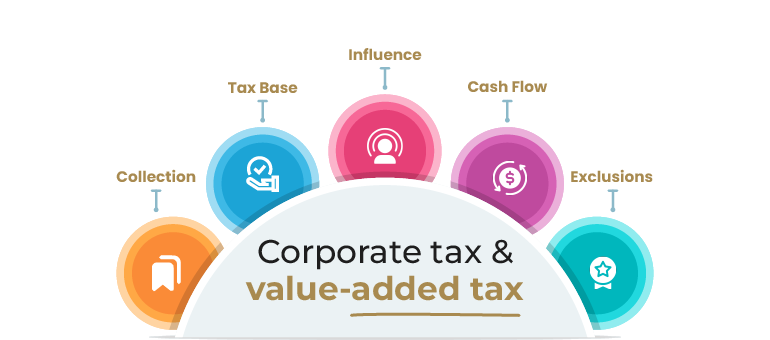
Corporate Tax vs VAT
Although both are government tax obligations, they serve different purposes.
- Corporate Tax is based on a company’s annual taxable profits and is generally filed once per financial year.
- VAT is charged on the sale of goods and services and is normally reported through quarterly VAT returns.
Understanding the distinction helps businesses establish accurate accounting systems from the start.
Free Zone Corporate Tax Benefits
Many entrepreneurs assume that every Free Zone company automatically qualifies for a 0% corporate tax rate. This is incorrect.
Only businesses that satisfy the requirements to become a Qualifying Free Zone Person may continue benefiting from the 0% corporate tax rate on qualifying income. These businesses must meet substance requirements, operate approved business activities, and comply with all reporting obligations.
Income that falls outside the qualifying rules may be taxed at the standard corporate tax rate. Because these regulations are highly technical, professional advice is often recommended before making business structure decisions.
Tax Filing and Compliance
Corporate tax returns are generally submitted annually following the end of a company’s financial year. VAT returns follow a separate filing schedule, usually every quarter.
Missing registration deadlines, filing late, or maintaining incomplete accounting records may result in financial penalties. Building a compliance calendar from the beginning is one of the easiest ways to remain fully compliant throughout the year.
Best Practices for New UAE Businesses
- Register for corporate tax after obtaining your trade license.
- Monitor your annual turnover to determine VAT registration requirements.
- Maintain accurate bookkeeping and accounting records from day one.
- If operating in a Free Zone, confirm whether your business qualifies for Free Zone corporate tax benefits.
- Keep track of all filing deadlines for both corporate tax and VAT.
Frequently Asked Questions
Does the UAE have personal income tax?
No. The UAE does not charge personal income tax on salaries or personal earnings. Corporate tax applies only to business profits.
Do all UAE companies need corporate tax registration?
Yes. Registration is mandatory for UAE businesses, regardless of whether they ultimately owe corporate tax.
Does every Free Zone company pay 0% corporate tax?
No. Only businesses meeting the Qualifying Free Zone Person requirements receive the 0% rate on qualifying income. Other income may be taxed under standard corporate tax rules.
When should a business register for VAT?
VAT registration becomes mandatory once taxable turnover exceeds the government threshold. Businesses below that level may also register voluntarily if eligible.
Need Help with UAE Tax Registration?
Klay Consultants helps businesses complete corporate tax registration, VAT registration, accounting compliance, and ongoing tax support as part of a complete UAE business setup solution. Contact our team for expert guidance tailored to your business.